U.S. Military Captures Venezuela’s Maduro — World Reacts to Historic Shock Operation
In a stunning and unprecedented military move, the United States has carried out a large-scale operation in Venezuela that resulted in the capture of President Nicolás Maduro and his wife, Cilia Flores. The dramatic raid, which took place on January 3, 2026, has sent shockwaves through the international community and ignited fierce debate about sovereignty, law, and global power dynamics.
According to U.S. officials, the operation—described by President Donald Trump as a major strike—was designed to apprehend Maduro following long-standing U.S. indictments accusing him and his associates of narco-terrorism and drug trafficking. Maduro and Flores were flown to New York City, where they now face federal charges, with their first court appearances underway.
A Bold Military Strike
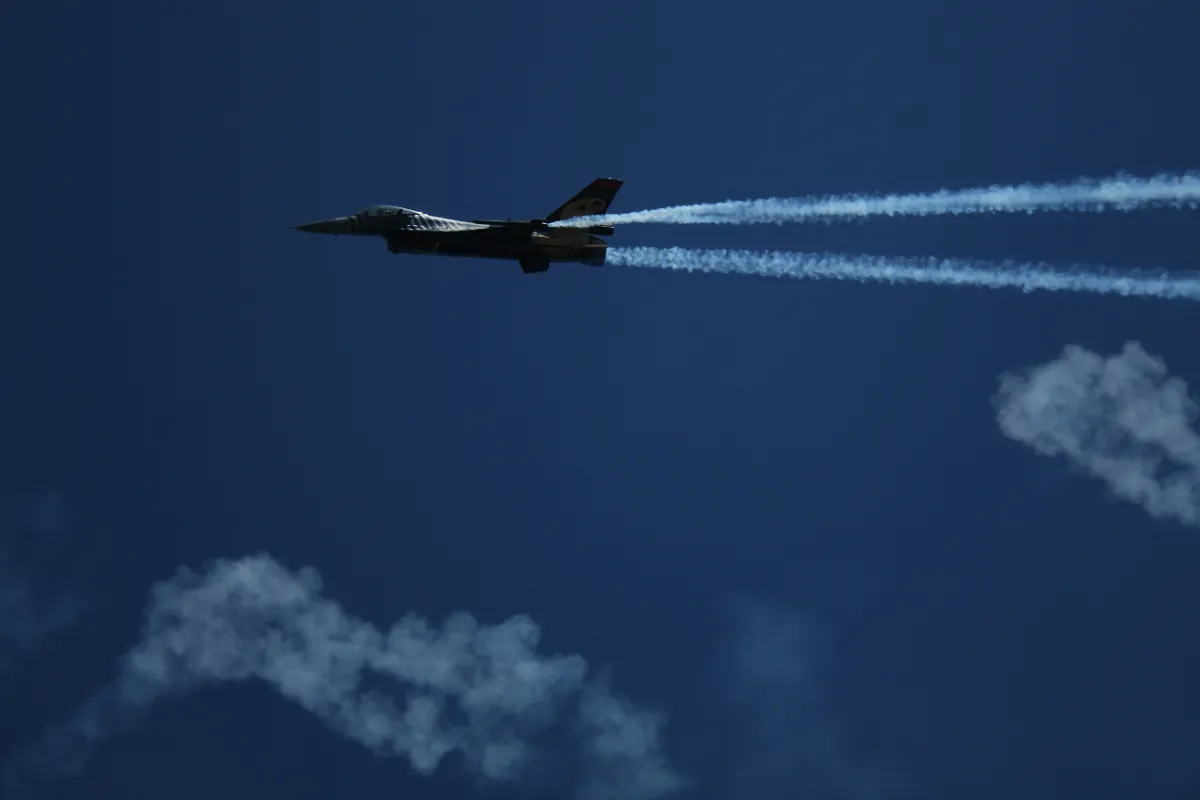
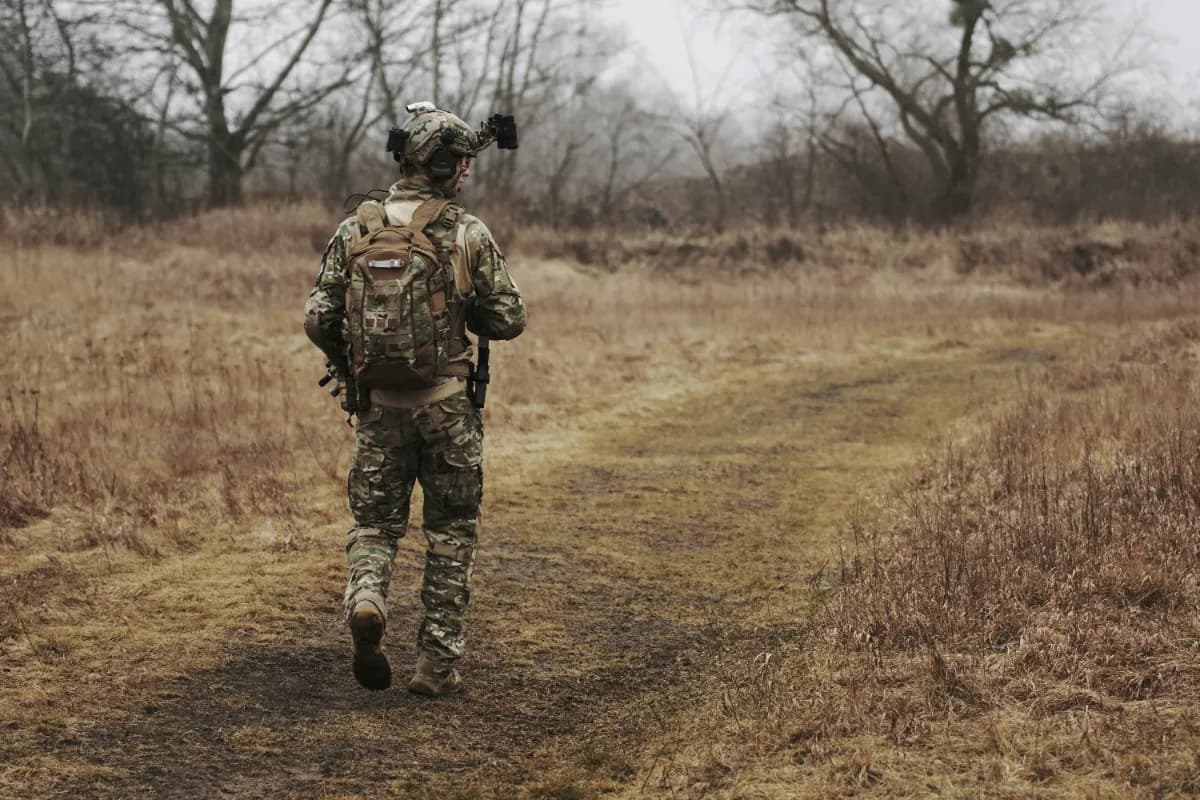
The operation involved coordinated actions by U.S. military forces targeting key Venezuelan sites in Caracas. President Trump hailed the mission as successful, asserting U.S. forces had effectively captured Maduro in a swift and decisive manner. U.S. spokespersons have suggested this action was part of a broader campaign against narco-terrorism, even as critics question the legality of using military force without clear international authorization.
Maduro, who led Venezuela for more than a decade, pleaded not guilty to the charges in federal court, calling himself a “kidnapped president” and rejecting the U.S. government’s claim that he is no longer the legitimate leader of Venezuela. His defense is expected to challenge the legality of his capture as well as jurisdictional questions regarding his prosecution.
Global Condemnation and Diplomatic Fallout
World leaders have reacted strongly and often critically to the U.S. action:
United Nations: UN Secretary-General António Guterres warned that the operation could destabilize the region, urging peaceful dialogue and respect for international law.
Russia and China: Both countries condemned Washington’s use of military force, with China branding the action as “unilateral bullying” and a violation of sovereign norms.
Latin American Nations: Countries like Brazil, Mexico, and Colombia criticized the intervention as a dangerous infringement on sovereignty and regional peace.
Supportive Voices: Some political figures, including Venezuelan opposition leaders, expressed cautious optimism that Maduro’s capture might open the door to new political transitions within Venezuela. The Times of India
Across the diplomatic landscape, the rhetoric has ranged from calls for restraint and respect for international law to accusations of imperialism and aggression. This diversity highlights the deep divide in global perspectives on intervention and foreign policy.
Economic and Strategic Implications
The reaction has not been limited to politics and diplomacy. International markets responded sharply, with some U.S. stock indices soaring as investors speculated on potential changes to oil markets and economic relations involving Venezuela’s vast petroleum resources. Many analysts, however, caution that stabilizing Venezuela’s economy and unlocking its energy potential will be far from simple. New York Post
Meanwhile, Venezuelan leadership loyal to Maduro has denounced the operation as an illegal “kidnapping” and has declared states of emergency and resistance, raising fears of internal conflict and unrest. APnews
A Turning Point in World Politics?
The capture of Nicolás Maduro marks one of the most dramatic confrontations between the United States and a Latin American government in decades. It raises profound questions about the future of international relations, the role of military force in global governance, and the limits of sovereignty in an era of transnational challenges like drug trafficking and political authoritarianism.
As Maduro awaits trial and world leaders continue to debate the legality and implications of the U.S. operation, one thing is clear: this extraordinary event has reshaped the geopolitical landscape, leaving lasting impacts on diplomacy, regional stability, and the principles that govern international conduct.