The Universe Just Got Stranger: 5 Mind-Blowing Discoveries Changing Astronomy Forever
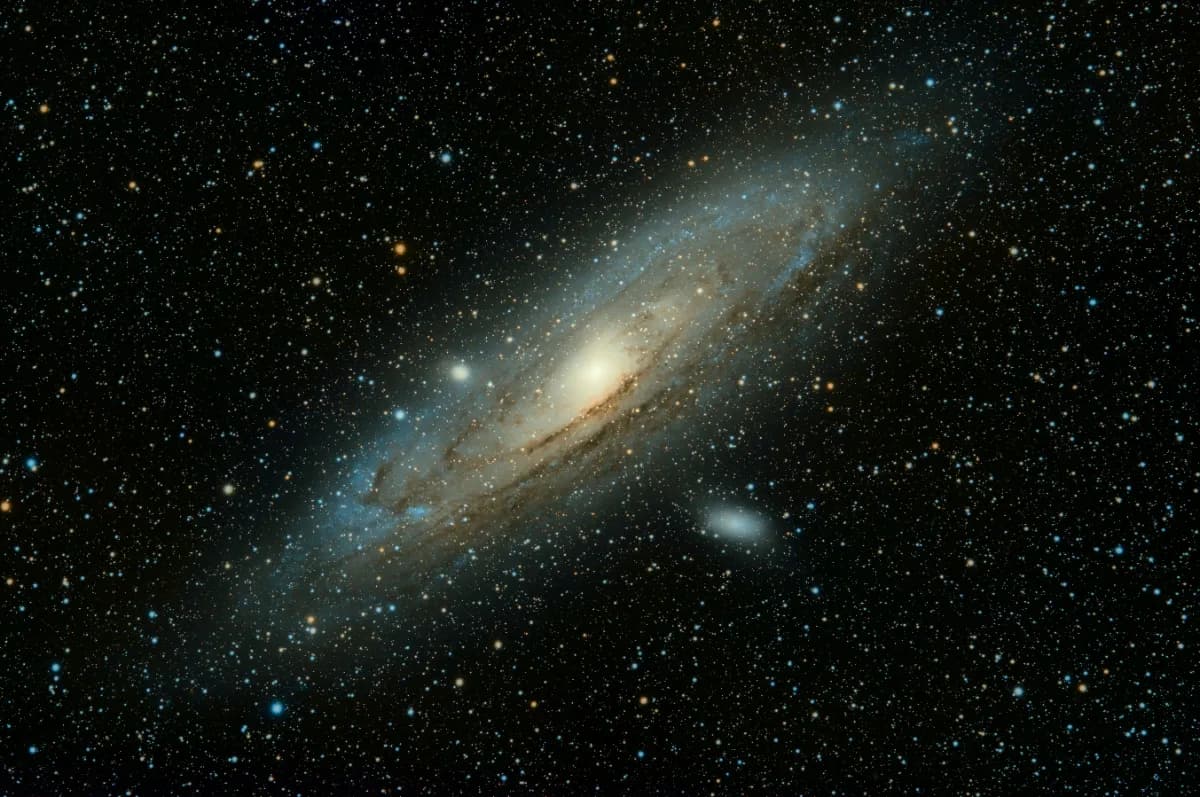
The universe is bigger, weirder, and more mysterious than we ever imagined. Every year, astronomers make discoveries that challenge our understanding of space, from black holes that defy physics to distant planets that could host life. In 2026, the cosmos continues to reveal secrets that are both breathtaking and unsettling—and if you’re curious about the universe, these are the discoveries you absolutely need to know.
1. Black Holes That Blink
For decades, black holes were thought to be invisible, silent voids. But recent observations show some black holes emit bursts of light and energy in patterns that almost look like blinking. Scientists believe these “blinking black holes” may help us understand how matter interacts with extreme gravity—and even hint at new physics beyond Einstein.
2. Rogue Planets Drifting Alone
Not every planet orbits a star. Astronomers have found rogue planets wandering through space on their own, untethered to any solar system. These lonely planets challenge our understanding of planetary formation and suggest that the Milky Way could be teeming with billions of these dark wanderers.
3. Signs of Water on Distant Exoplanets
Using next-generation telescopes, scientists have detected atmospheric water vapor on exoplanets hundreds of light-years away. While this doesn’t confirm life, it dramatically increases the odds that some planets in our galaxy could harbor the conditions for life as we know it.
4. Mysterious Fast Radio Bursts (FRBs)
Fast Radio Bursts—powerful, millisecond-long flashes of radio waves—continue to baffle astronomers. Some FRBs repeat in unpredictable patterns, leading to speculation about exotic astrophysical phenomena. Could some even be artificial signals from advanced civilizations? The jury is still out, but the possibilities are thrilling.
5. Dark Matter and the Cosmic Web
Dark matter, which makes up 85% of the universe’s matter, remains invisible, but scientists are mapping its influence across galaxies. Recent research has revealed a cosmic web of dark matter filaments, connecting galaxies across unimaginable distances. This discovery is reshaping how we think about the universe’s structure.
Why It Matters
Astronomy isn’t just about distant stars—it’s about perspective. Every discovery reminds us how small, yet remarkable, our existence is. The strange, mind-bending phenomena we uncover in space often challenge our physics, inspire new technology, and push humanity to question what we thought we knew about reality.
Conclusion
From blinking black holes to rogue planets and mysterious radio bursts, the universe is full of surprises. 2026 promises even more discoveries that will change the way we see our place in the cosmos. One thing is certain: the universe is stranger, more beautiful, and more complex than we could ever imagine—and we’ve only just begun to explore it.