The Science of Habits: How Small Changes Can Rewire Your Brain
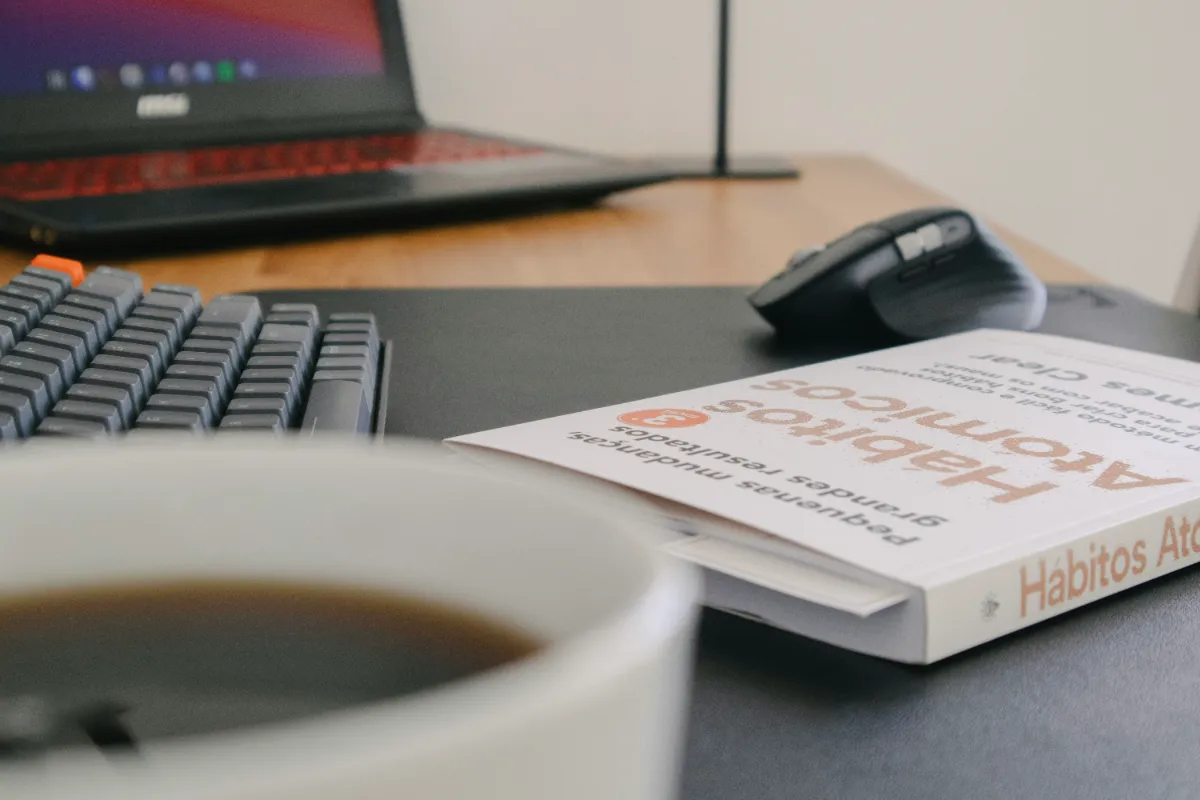
Habits shape almost every aspect of our lives, from the moment we wake up to the choices we make before bed. But did you know that small, consistent changes in your daily routine can literally rewire your brain? Psychology research over the last decade has revealed that our brains are far more adaptable than we once thought—a phenomenon known as neuroplasticity.
How Habits Form
According to behavioral psychology, habits are formed through a simple loop: cue → routine → reward. A cue triggers your brain to initiate a behavior, the routine is the behavior itself, and the reward reinforces it. For example, seeing your phone first thing in the morning (cue) leads to scrolling through social media (routine), which gives dopamine-driven satisfaction (reward).
The key insight from psychology is that the brain doesn’t distinguish between small and big changes—it responds to repetition and reward. This is why tiny adjustments in your habits can snowball into major life transformations over time.
Rewiring the Brain: Small Changes, Big Impact
Psychologists recommend focusing on micro-habits: tiny, achievable behaviors that are easy to repeat. For instance:
Drinking a glass of water every morning
Walking for five minutes after lunch
Writing down one thing you’re grateful for before bed
These small actions, repeated consistently, reinforce neural pathways, making positive behaviors automatic over time. The brain begins to “expect” the reward, solidifying the habit loop.
Breaking Bad Habits
Breaking bad habits works on the same principle. Instead of trying to eliminate a habit entirely, psychologists suggest substituting the routine while keeping the same cue and reward. For example: if stress triggers snacking, try deep breathing or stretching instead of reaching for chips. Over time, your brain forms new pathways, and the old habit weakens.
The Role of Mindset
Cognitive psychology shows that mindset plays a crucial role in habit formation. People who view change as a gradual process and embrace setbacks as learning opportunities are more likely to stick with new habits. The key is consistency, not perfection.
Conclusion
Habits are more than routines—they are the architecture of our daily lives and the blueprint of our brains. By understanding how habits form and applying small, strategic changes, anyone can reshape behaviors, improve mental well-being, and achieve long-term goals. In psychology, as in life, the smallest steps often lead to the biggest changes.