The Art of Diplomacy in a Changing World
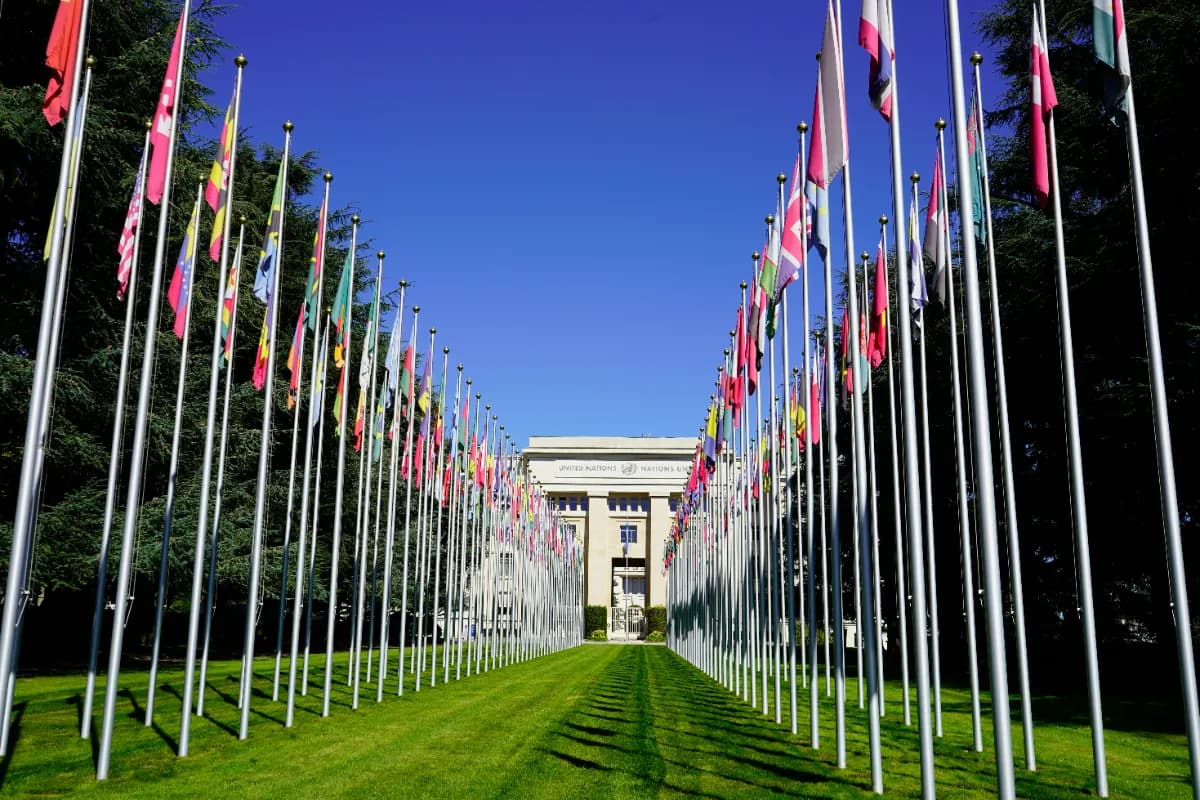
In a world increasingly defined by rapid communication, shifting alliances, and global crises, diplomacy remains the quiet force that shapes nations. It is not always about grand summits or dramatic speeches; often, it is the subtle negotiations, the carefully chosen words, and the patient cultivation of trust that determine the fate of countries and people alike.
Why Diplomacy Matters More Than Ever
Modern diplomacy is facing unprecedented challenges. From climate change and pandemics to cyber warfare and political unrest, governments must navigate a complex web of national interests and global responsibilities. Diplomatic success today requires more than traditional negotiation skills—it demands cultural understanding, technological awareness, and the ability to anticipate the ripple effects of decisions across the globe.
Consider the delicate negotiations in regions like the Middle East or the Indo-Pacific. Conflicting interests, historical grievances, and competing alliances create a landscape where missteps can have catastrophic consequences. Diplomats act as both mediators and strategists, balancing national priorities with the need for regional stability and global peace.
Soft Power vs. Hard Power
Diplomacy thrives on what political analysts call “soft power”—the ability to influence others through culture, communication, and credibility rather than force. While military strength and economic leverage (hard power) remain important, soft power often determines long-term outcomes. Nations that cultivate respect, build alliances, and act predictably are more likely to achieve their goals without conflict.
For example, international trade agreements, climate accords, and humanitarian collaborations are largely the result of persistent diplomatic effort. They demonstrate that global cooperation is possible even amid competing national interests.
The Role of Technology in Modern Diplomacy
Technology has transformed diplomacy in ways previously unimaginable. Social media can amplify messages to millions in seconds, but it also spreads misinformation that can undermine negotiations. Cybersecurity, artificial intelligence, and data diplomacy now play critical roles in shaping international relations. Effective diplomats must now combine traditional negotiation skills with digital literacy and real-time strategic thinking.
Challenges and Opportunities Ahead
While diplomacy offers opportunities for cooperation, it also faces significant challenges. Nationalism, populism, and distrust of international institutions can hinder collaboration. In an era of 24-hour news cycles and instant reactions, maintaining patience and discretion is harder than ever.
Yet, these challenges also create opportunities. Nations that invest in skilled diplomats, engage in multilateral forums, and prioritize dialogue over confrontation are better positioned to resolve conflicts, address global challenges, and prevent crises from escalating.
Conclusion
Diplomacy is not a relic of the past; it is the lifeline of international relations in an interconnected world. It requires patience, intelligence, creativity, and above all, a willingness to listen. In times of uncertainty, diplomacy remains humanity’s best tool to turn conflict into cooperation and crisis into opportunity.
In the end, diplomacy is not about who shouts the loudest or acts the fastest—it’s about who can bridge divides, build trust, and secure lasting solutions in a world that desperately needs them.