Politics Has Become Entertainment—and We’re Paying the Price
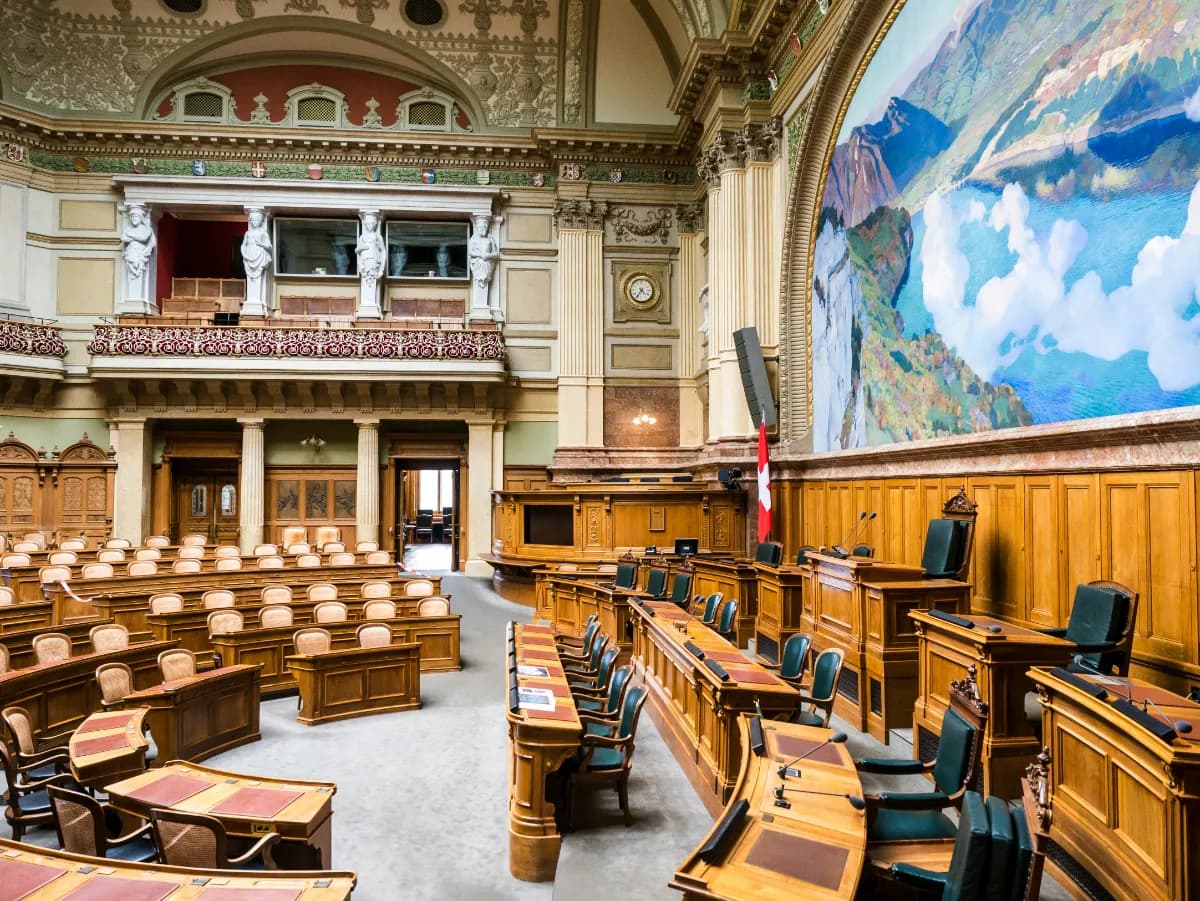
Politics was once about decisions that shaped nations, communities, and everyday lives. Today, it often feels more like a reality show—full of drama, villains, heroes, plot twists, and cliffhangers. The problem isn’t that politics has become interesting. The problem is that it has become entertainment, and the cost of that transformation is far higher than we realize.
Turn on the news or scroll through social media and you’ll see it immediately. Political debates resemble shouting matches. Leaders speak in punchlines instead of policies. Serious issues—education, healthcare, jobs, inequality—are reduced to viral clips designed to provoke anger or applause. What matters most is not what is said, but how loudly, how aggressively, and how shareable it is.
This shift has changed how people engage with politics. Instead of asking, “Is this policy good for society?” we ask, “Did my side win today?” Politics becomes a sport, and citizens become fans. Loyalty replaces logic. Emotion replaces evidence. And once politics turns into a game, the goal is no longer progress—it’s victory.
Media and social platforms fuel this transformation. Outrage gets more clicks than nuance. Conflict spreads faster than compromise. Algorithms reward extreme opinions because they keep users engaged longer. As a result, the most dramatic voices dominate the conversation, while thoughtful, balanced discussions disappear into silence. Calm explanations don’t trend. Anger does.
The danger of political entertainment is subtle but serious. When politics is treated like a show, accountability fades. Leaders learn that performance matters more than results. A good speech can hide a bad decision. A viral moment can distract from real failures. Citizens, entertained but uninformed, move on to the next controversy without demanding answers to the last one.
Even worse, constant political drama exhausts people. Many stop paying attention altogether, saying, “It’s all fake,” or “They’re all the same.” This exhaustion benefits those in power. A tired, distracted public is easier to control than an informed, engaged one. When people disengage, decisions are still made—just without their voices.
Politics was never meant to entertain us. It was meant to organize society, balance power, and protect rights. It requires patience, critical thinking, and sometimes uncomfortable conversations. These qualities don’t fit neatly into headlines or short videos, but they are essential for a healthy democracy.
We don’t need politics to be boring—but we do need it to be serious. That starts with us. Questioning what we consume. Slowing down before reacting. Valuing understanding over outrage. Refusing to treat leaders like celebrities and policies like episodes in a series.
Because while politics may look like entertainment today, the consequences are very real. Laws are passed. Resources are allocated. Futures are shaped. And unlike a show, we don’t get to turn it off when things go wrong—we live with the results.
The price we’re paying isn’t just division or confusion. It’s the slow erosion of responsibility. And if politics remains entertainment, the final cost will be a society that stopped paying attention when it mattered most.