Cloud Software vs Traditional Software: Which Is Better for Small Businesses?
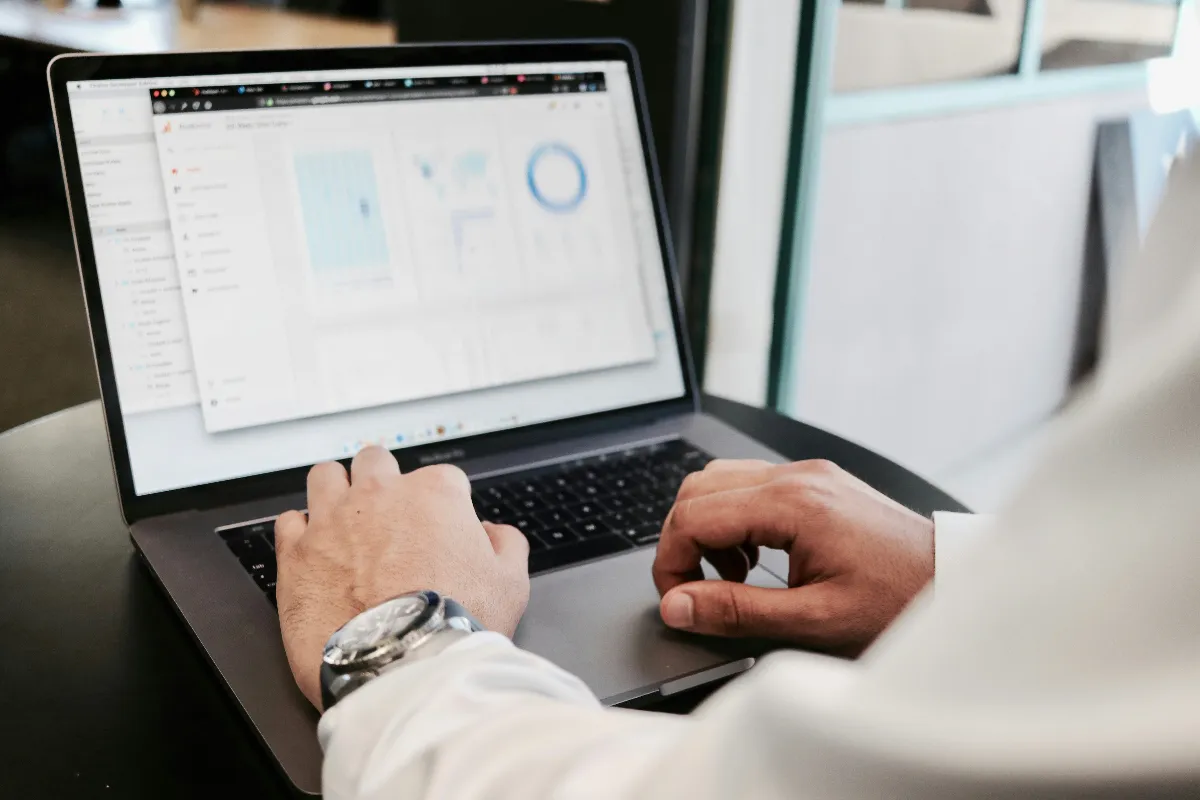
Choosing the right software can be confusing, especially for small businesses with limited budgets and resources. Many business owners still rely on traditional, locally installed software, while others are rapidly moving to cloud-based solutions.
So which one is actually better in 2025? Let’s break it down in simple terms.
What Is Traditional Software?
Traditional software is installed directly on a computer or local server. It usually requires manual updates, physical storage, and IT support to maintain.
Common examples include desktop accounting software or locally installed management tools.
Challenges of Traditional Software
Limited access (only works on specific devices)
High setup and maintenance costs
Risk of data loss if hardware fails
Difficult to scale as the business grows
For small businesses, these challenges can quickly become costly.
What Is Cloud-Based Software?
Cloud software runs on the internet. You access it through a browser or app without installing anything heavy on your computer.
Examples include online accounting tools, CRM systems, and cloud-based management platforms.
Benefits of Cloud Software
Access your business data from anywhere
Automatic updates and backups
Lower upfront costs
Easy to add or remove users
Better collaboration for teams
This flexibility makes cloud solutions especially attractive for startups and growing businesses.
Cost Comparison: Cloud vs Traditional Software
At first glance, traditional software may look cheaper because it’s a one-time purchase. However, hidden costs like maintenance, upgrades, and IT support add up over time.
Cloud software usually works on a subscription model, which spreads costs evenly and reduces unexpected expenses. For many small businesses, this is more budget-friendly in the long run.
Security: Is Cloud Software Safe?
Security is a common concern. In reality, most reputable cloud providers invest heavily in data protection, encryption, and regular security updates—often more than small businesses can afford on their own.
As long as you choose a trusted provider, cloud software is generally safer than local systems.
Which One Should You Choose?
If your business needs flexibility, remote access, and scalability, cloud-based software is the clear winner. Traditional software may still work for very small or offline-only operations, but it limits growth.
Final Thoughts
In 2025, cloud software is no longer the future—it’s the standard. Small businesses that switch to cloud solutions gain better control, improved efficiency, and the freedom to grow without technical barriers.
Choosing the right software today can save you time, money, and stress tomorrow.